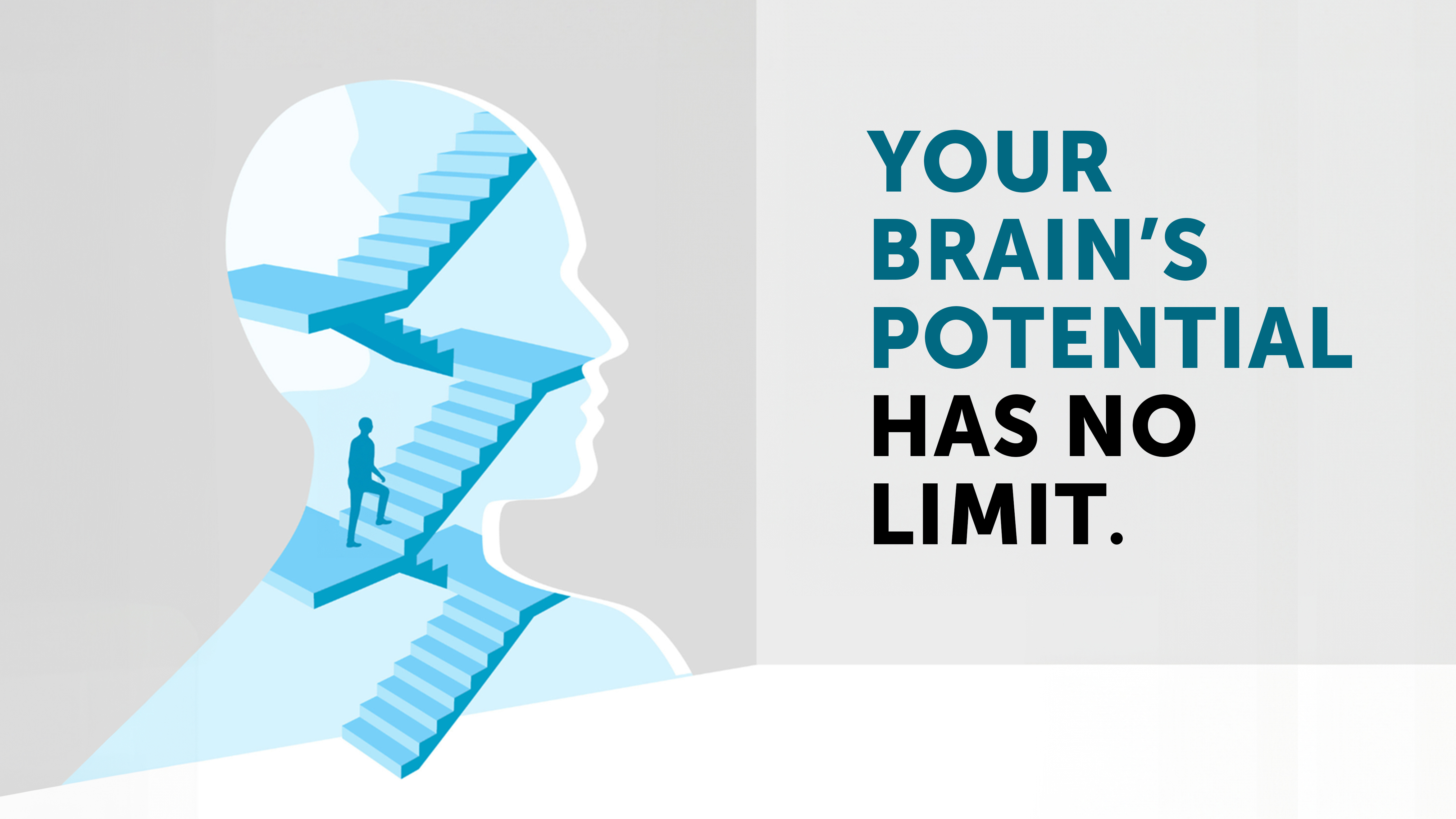
Your brain likes novelty, and surprisingly, a little bit of a struggle.
Overview
“”
"A sense of purpose in life is a strong predictor of better brain health."
Stacy Vernon, MS, LPC
Head of Adult Assessment, Center for BrainHealth
Engaging in mentally stimulating and challenging hobbies — whether creative, physical, or skill‑building — plays a powerful role in strengthening cognitive performance across the lifespan. Activities like reading, dancing, crafting, gardening and learning new skills activate diverse neural networks, support emotional balance, help maintain clarity and flexibility in thinking. This approach to discovering new ways to thrive in life aligns closely with the evidence‑based approach championed by Center for BrainHealth, which emphasizes that the brain thrives when challenged in enjoyable, meaningful ways. The center’s research shows that even small, consistent habits can spark measurable improvements in focus, reasoning, and resilience. Read the full article at Real Simple