Facebook pixel
Go to home page
A woman in a green blazer attends an ESG business meeting while a man presents at a whiteboard in a plant-filled room.

BrainHealth Study Challenges the Idea That Cognitive Decline Is Inevitable

D Magazine

The three-year research effort via the BrainHealth Index followed nearly 4,000 adults and found measurable cognitive improvements tied to targeted training strategies.

Overview

A three‑year, nearly 4,000‑person study from the Center for BrainHealth at UT Dallas reports that cognitive decline is not inevitable — and that targeted, personalized brain‑health training can lead to measurable improvements across cognitive, emotional, and social domains.

“”

“For too long, we’ve operated under the outdated notion that we need to wait until something bad happens to our brain before we do anything for it,” according to Sandra Bond Chapman, PhD, founder & chief director of Center for BrainHealth.
Advancing the center’s mission focused on brain health as proactive, not reactive, the study measured adults aged 19–94 participated using the center's proprietary BrainHealth Index, which measures:
  • Cognitive clarity (reasoning, processing speed)
  • Emotional balance (resilience, stress, sleep quality)
  • Social connectedness (support, satisfaction)
Participants completed online assessments every six months and engaged with digital training modules, virtual coaching, and daily brain‑health habits through the BrainHealth Project platform, an ambitious initiative launched in 2020 with a goal of enrolling 100,000 adults to map brain‑health trajectories over time—similar in spirit to the Framingham Heart Study, but focused on the brain. The study is part of a larger effort at the center to personalize brain health interventions at scale through personalized, agency‑driven brain‑health strategies.

“”

“Every brain is as unique as a fingerprint and has potential for growth,” according to Lori Cook, PhD, CCC-SLP, director of clinical research at the center. “By moving away from one-size-fits-all solutions, we are empowering people with a personalized blueprint and the agency to continuously invest in their brain health and performance.”
Researchers acknowledge limitations such as the lack of a randomized control group and self‑selected participants, but they emphasize future directions including: increase in demographic diversity, improvement of participant retention and use of machine learning to detect early cognitive decline.Major findings from the study include: sustained improvement across all measured domains, correlation between higher engagement and greater gains, improvement regardless of age, gender, or education level, participants with the lowest baseline scores improving the most, and demonstration that the brain has capacity for growth across adulthood.Read the article at D Magazine

Share this article


Sandi Chapman, Founder and Chief Director, Center for BrainHealth, Co-Leader, The BrainHealth Project, Dee Wyly Distinguished Professor

Sandra Bond Chapman, PhD

Chief Director Dee Wyly Distinguished Professor, School of Behavioral and Brain Sciences Co-Leader, The BrainHealth Project

Lori Cook in a blue blouse with blue lights, portrait. Director of Clinical Research, BrainHealth Research; Head of Research, The BrainHealth Project; Adjunct Assistant Professor, School of Behavioral and Brain Sciences

Lori Cook, PhD, CCC-SLP

Director of Clinical Research Head of Research, The BrainHealth Project Adjunct Assistant Professor, School of Behavioral and Brain Sciences


Related Information

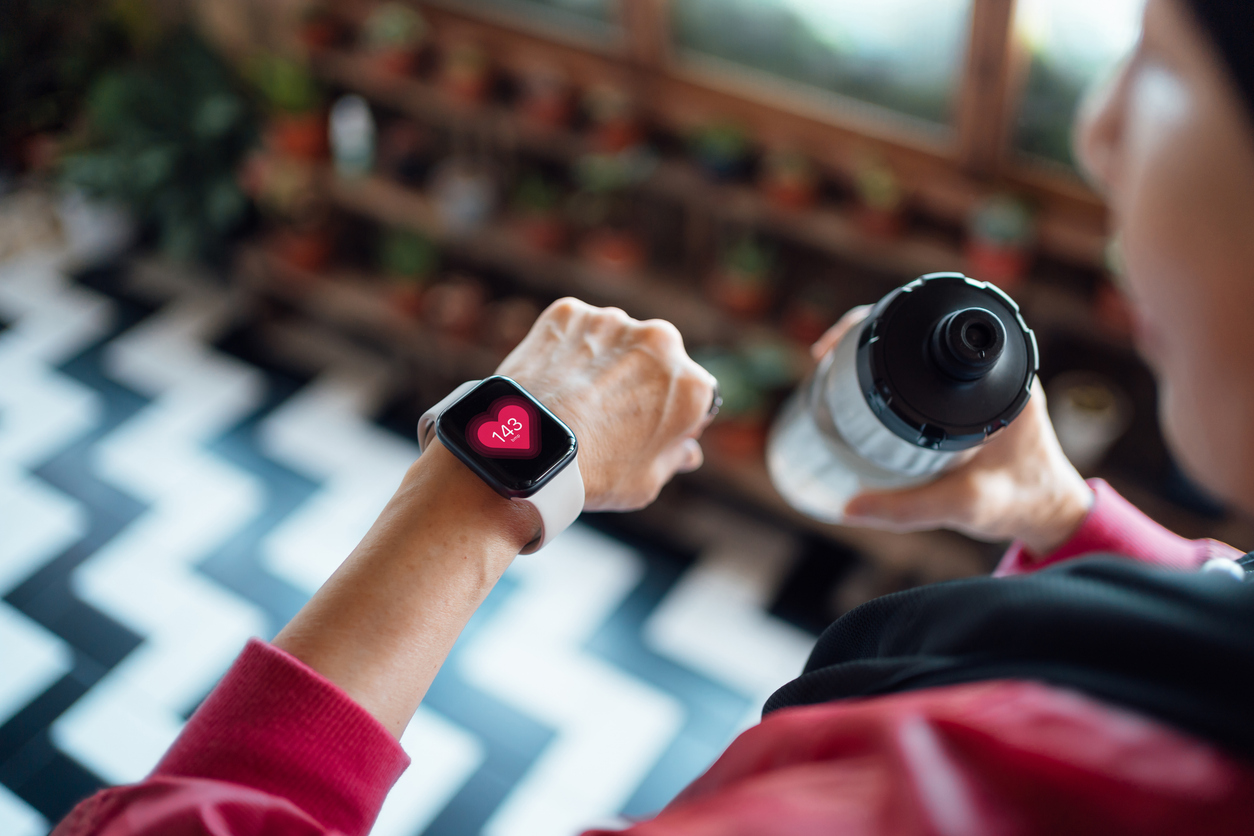
Person wearing smartwatch displaying heart rate of 143 while holding water bottle during workout.

How Your Heart Rate Variability Can Offer an Insight into Your Mind

What if one of the most powerful windows into brain health was already on your wrist? Heart rate variability (HRV) — tiny fluctuations in time between each heartbeat — is emerging as a promising metric for understanding not just physical wellness, but the health of your mind. And BrainHealth researchers are at the forefront of this new frontier.

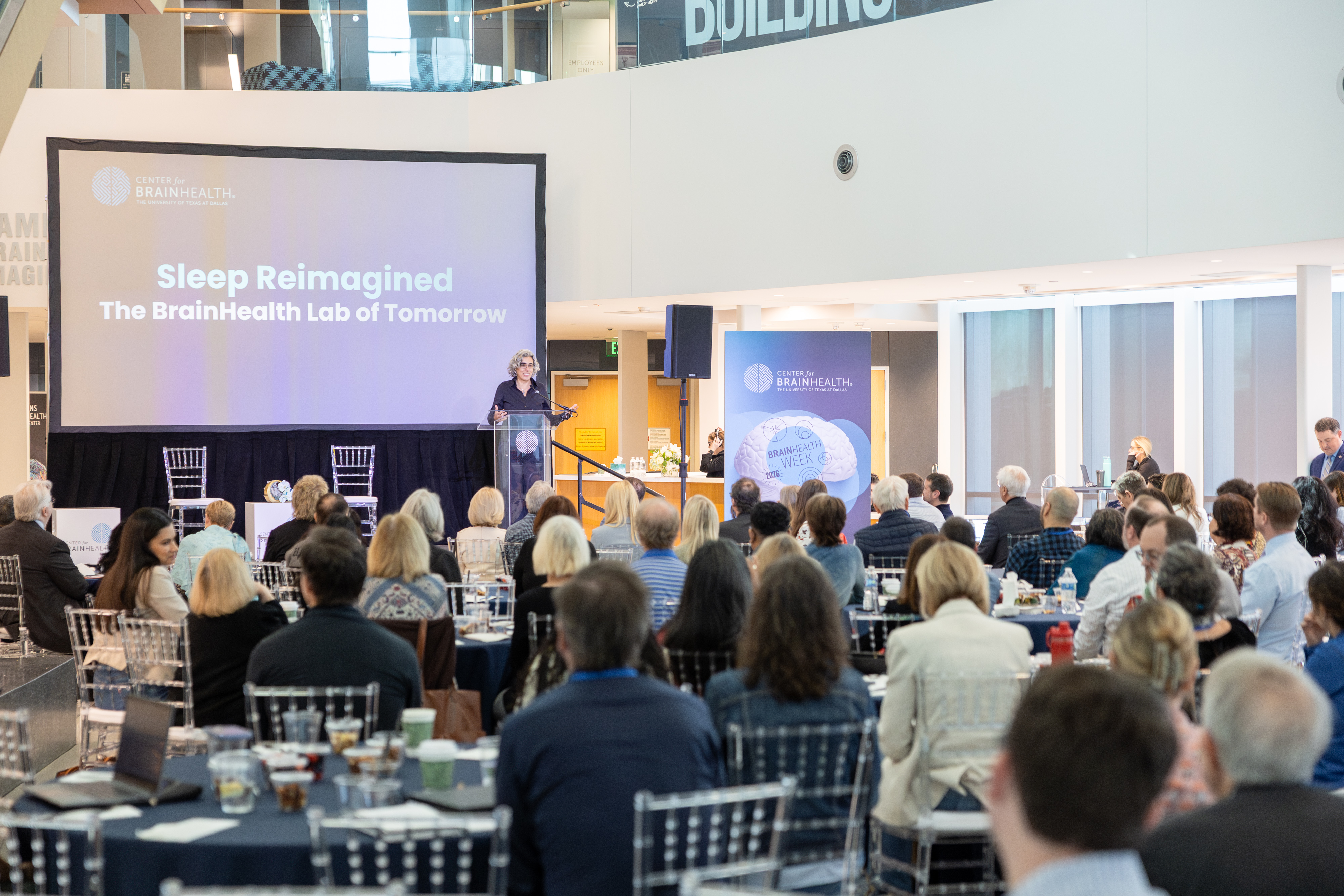
Eti Ben Simon, PhD, presents a lunchtime talk during BrainHealth Week 2026 to a crowd of scientists, students and community members in the modern-looking atrium of the Brain Performance Institute in Dallas, Texas.

UT Dallas’ BrainHealth Week Brings Brain Science to the Public

The fourth annual BrainHealth Week brought together experts and communities to share share science-backed tips and strengthen brain performance across the lifespan — including events for college students, professionals, community leaders, cross-disciplinary researchers and families.