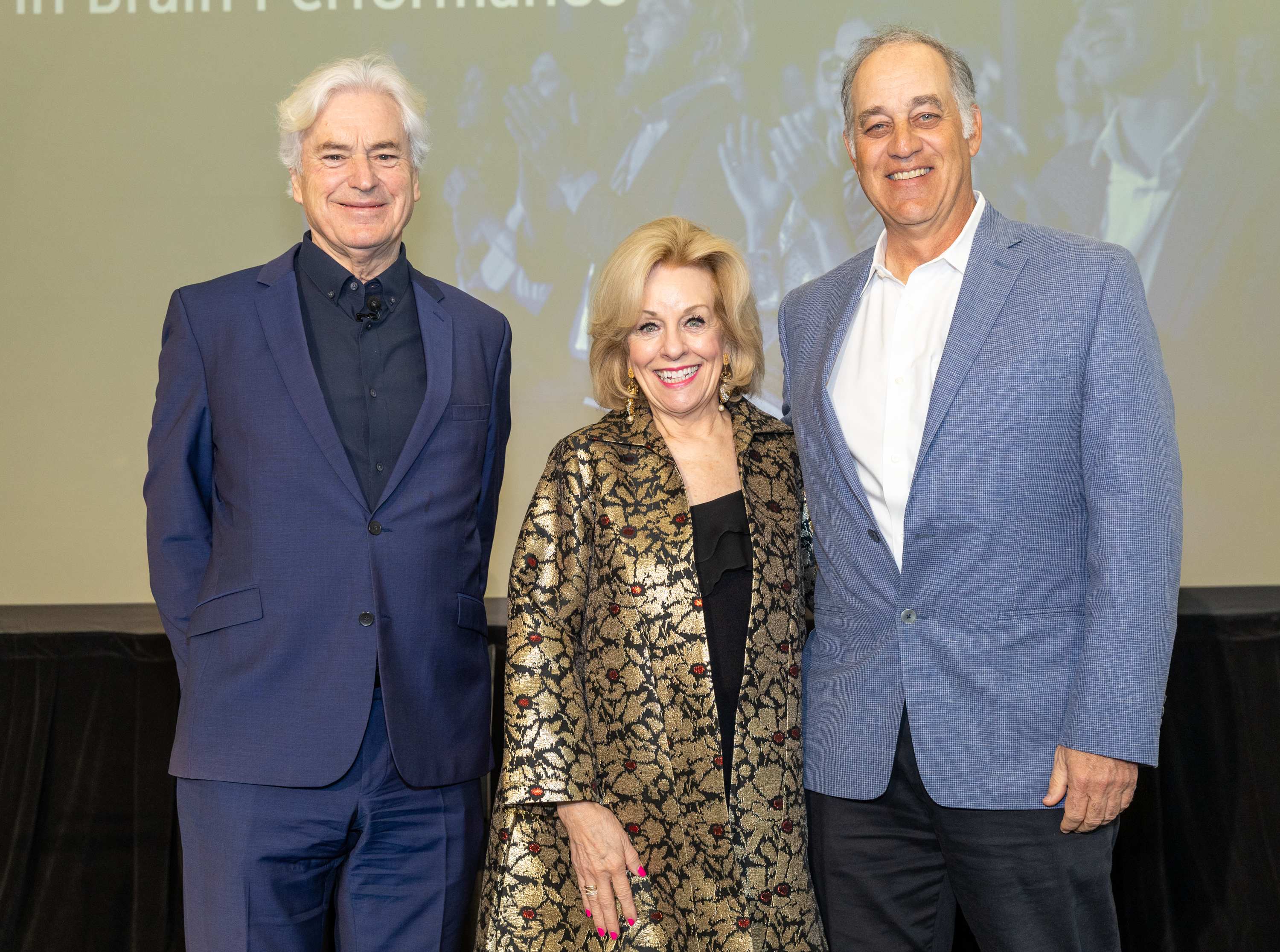
A New Collaborative of Researchers and Innovators Dedicated to Proactive Brain Health Scientists meeting at Center for BrainHealth during its annual BrainHealth Week conference announced the launch of the Society for Brain Health. Poised to address a critical gap in the global health landscape, the Society for Brain Health will serve as a formal body of scientists, educators and policymakers focused on enhancing cognitive capacity, longevity, and proactive health optimization. Through the use of first-of-their-kind metrics, the Society will serve as the collaborative, unifying authority to ensure that cutting-edge research and tools are effectively translated into real-world applications.
“”
“Brain health is more than just the absence of disease; it is a distinct discipline focused on lifelong cognitive vitality,” said Dr. Mark D’Esposito, a key architect of the Society. “The Society for Brain Health is redefining the field of brain health through a holistic lens that integrates brain fitness/optimization, physical attributes, and a diverse range of interventions. This isn't just about wellness. It is a proactive discipline focused on optimizing cognitive capacity for everyone, not just those living with neurological challenges. The Society will be the unifying North Star for this new field, providing the rigorous, evidence-based insights needed to inform public policy and empower individual health decisions.”
How the Society Will Work
The Society for Brain Health will help to accelerate proactive biomarkers of precision brain health, interventions, and technology that can support diagnosis and treatment – through standards, shared datasets, benchmarks and more. Its journal will be a unifying platform for discovery.Its first official meeting will be held on February 25, 2027, during BrainHealth Week hosted by Center for BrainHealth in Dallas, Texas. This inaugural event will feature keynote speakers, poster sessions, and the formation of specialized committees.Founding Members Chart a New Approach
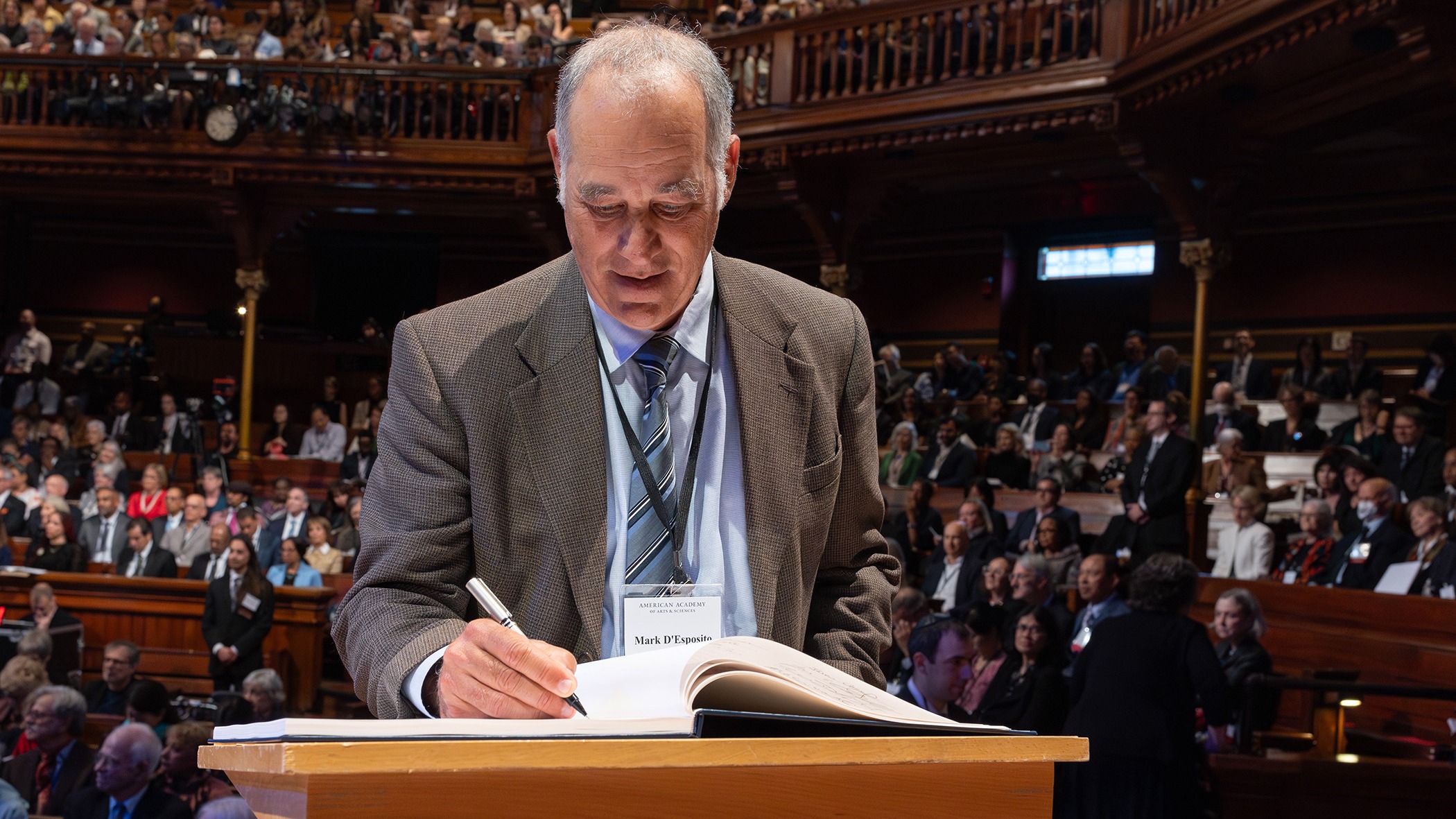
The Society’s founding members represent the scientific diversity that is a critical aspect of the multi-disciplinary field of brain health:- Mark D’Esposito, MD, is a distinguished professor of neuroscience and psychology at the University of California, Berkeley, as well as a practicing neurologist. He serves as co-leader of The BrainHealth Project, a large-scale longitudinal study building the world’s largest brain health data set. Dr. D’Esposito has authored more than 430 research publications, which have been cited nearly 90,000 times, as well as seven books on the topics of behavioral neurology and cognitive neuroscience. He was recently inducted into the American Academy of Arts and Sciences.
- Russell Foster, PhD, FRS, CBE, is the Head of Oxford’s Nuffield Laboratory of Ophthalmology, the founder and Director of the Sleep and Circadian Research Institute and a Fellow of Brasenose College Oxford. His research addresses how circadian rhythms and sleep are generated and regulated, and what happens when these systems fail as a result of societal pressures, age and disease. Among his many honors, he was appointed as a Commander of the British Empire (CBE) in 2015 for services to science. Professor Foster has published over 300 scientific papers, has written four popular science books, and has received multiple national and international awards – including most recently the Daylight Award.
- Geoffrey Ling, MD, PhD, is a practicing physician, pharmacologist and retired U.S. Army Colonel who served as the founding director of the Biological Technologies Office at the Defense Advanced Research Projects Agency (DARPA). As the Jean Ann Brock Distinguished Chair at Center for BrainHealth, he co-leads The BrainHealth Project. Dr. Ling has published more than 200 peer-reviewed articles and book chapters related to neurocritical care, traumatic brain injury, post-traumatic stress disorder, memory restoration and prosthetics.
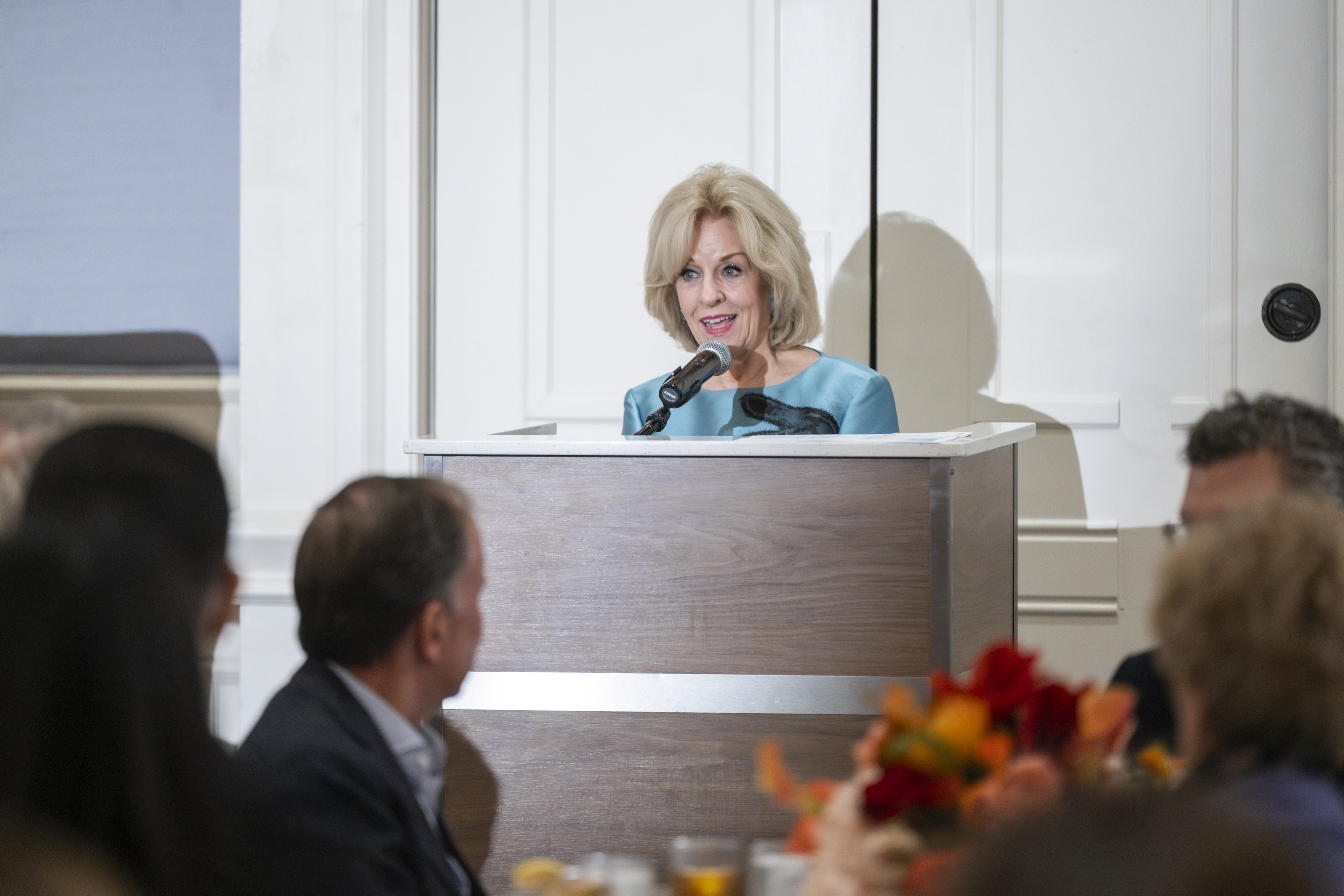
- Sandra Bond Chapman, PhD, founded and serves as chief director of Center for BrainHealth, a research institute of The University of Texas at Dallas where she also serves as the Dee Wyly Distinguished Professor in the School of Behavioral and Brain Sciences. A cognitive neuroscientist, Dr. Chapman has received more than 50 funded research grants, has published 250+ peer-reviewed articles, and authored Make Your Brain Smarter.
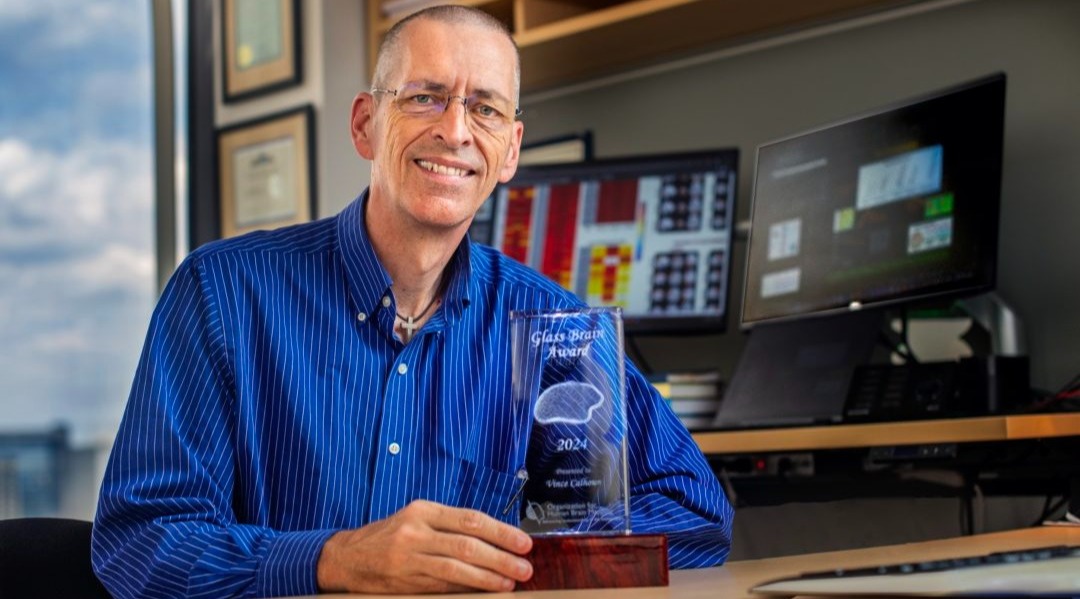
- Vince Calhoun, PhD, is the Jane and Bud Smith Chair at Center for BrainHealth and the founding director of the Center for Translational Research in Neuroimaging and Data Science (TReNDS) – a collaboration of Georgia State University, Georgia Institute of Technology and Emory University. As one of the world’s foremost experts in human brain imaging and analysis, Dr. Calhoun leverages data and AI-driven biomarkers in unprecedented ways to help improve individual cognitive function and optimize the performance of the human brain.
- Ian Robertson, PhD, is a clinical psychologist and neuroscientist, and a leading researcher on how individuals can harness the mind’s attention systems. His research and writings focus on ways to maximize the brain’s capacity to reshape itself and give individuals a sense of control over their emotions and cognitive function. He serves as the T. Boone Pickens Distinguished Chair at Center for BrainHealth, and he is also co-director of the Global Brain Health Institute and emeritus professor at Trinity College Dublin, where he previously founded the Institute of Neuroscience. He is the author of several best-selling books, including How Confidence Works, bringing science-based strategies to non-specialists.
“”
“Establishing a Society for Brain Health signals a fundamental shift – from a reactive model of addressing disease and disorder to a proactive model of optimization and lifelong resilience – which is an important step forward,” said Dr. Foster.“The Society for Brain Health aims to be more than an academic, scientific body. It is advocating for this work to be for the benefit of everyone everywhere, regardless of life station. It will provide a venue for dissemination of findings in a trusted, open and transparent manner,” said Dr. Ling. “The work that comes out of the Society for Brain Health is distinct from cognitive neuroscience. It will be translational and broader in scope,” said Dr. Chapman. “The goal of the Society is to not only lead the way in cognitive health breakthroughs, but also to serve as the go-to resource for the public to access trusted information on brain health, interventions and technologies.”