The aging brain may be far more capable of growth and improvement than scientists once believed.
Overview
Groundbreaking research is reshaping the narrative around cognitive aging, revealing the brain retains capacity for growth and improvement well into later life. This evolving understanding closely reflects Center for BrainHealth’s mission to empower individuals with science-backed strategies that optimize brain performance across the lifespan.Central to this shift is a large-scale, three-year BrainHealth study demonstrating that “mental sharpness is not destined to decline over time” and that cognitive abilities can be strengthened at any age. The new research draws from The BrainHealth Project, launched in 2020 to explore how brain health can be enhanced and sustained, tracking 3,966 adults ranging in age from 19 to 94 who engage in five to 15 minutes of daily brain training.“”
Center for BrainHealth Chief Director Sandra Bond Chapman, PhD, reinforces this reframing, stating, “this study reminds us that our brain is not defined by age — it is defined by possibility.”
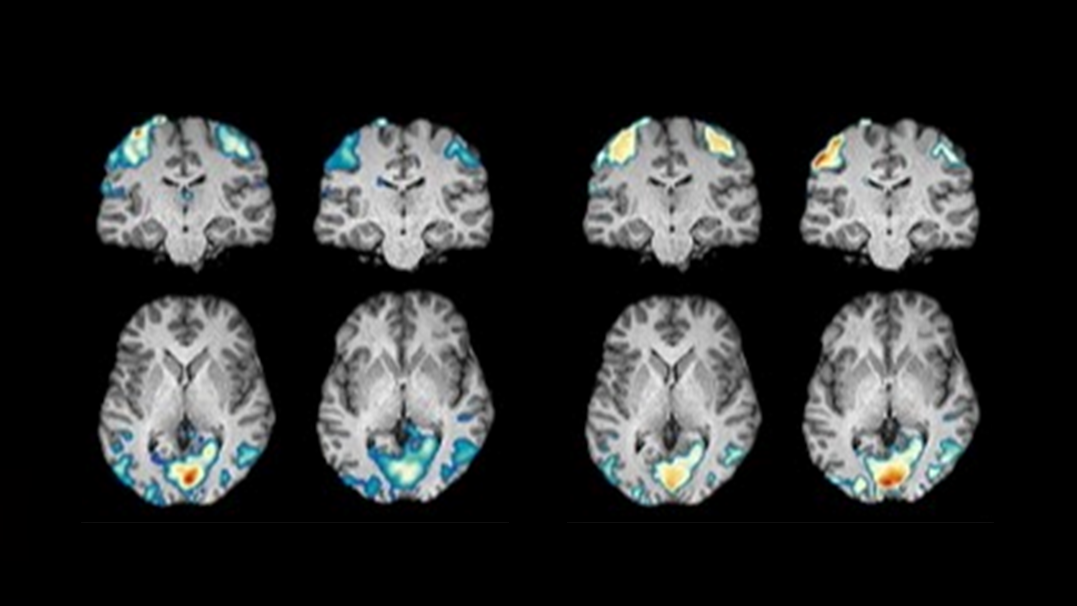
Measurable gains emerge across the lifespan — including among participants in their 80s and 90s — reinforcing that improvement can occur even before symptoms of decline appear. The BrainHealth Index, a patent-pending assessment tool, measures changes in clarity, emotional balance and connectedness to people and purpose, detecting both improvements and declines while comparing individuals against their own previous performance. This composite assessment brings together about 20 metrics, including validated gold-standard measures like the Pittsburgh Sleep Quality Index and the Oxford Happiness Questionnaire, as well as tasks designed at the Center for BrainHealth to focus on more complex thinking skills.Findings reveal that engagement (not age, gender or education) is the strongest predictor of improvement, with the greatest gains observed among those beginning with the lowest BrainHealth Index scores. Ongoing work continues to expand understanding through advanced imaging, with hundreds of participants contributing to a growing dataset that connects neural changes to improvements in brain health. “”
“One piece that is so near and dear to my heart is helping people link neuroplasticity with self-agency,” Director of Clinical Research Lori Cook, PhD, CCC-SLP, explains, adding that “brain health isn’t just something we strive to maintain; we can actively shape it over time.”
This growing body of evidence positions brain health as a proactive, lifelong endeavor rather than a reactive response to decline, encouraging earlier adoption of simple, scalable training habits. Expanding access to tools like those developed by the Center for BrainHealth — while continuing to broaden representation and deepen research — can accelerate a global shift toward optimizing cognitive potential, empowering individuals and communities to take charge of their brain health at every stage of life.Read the full article at SciTech Daily