–
Speakers

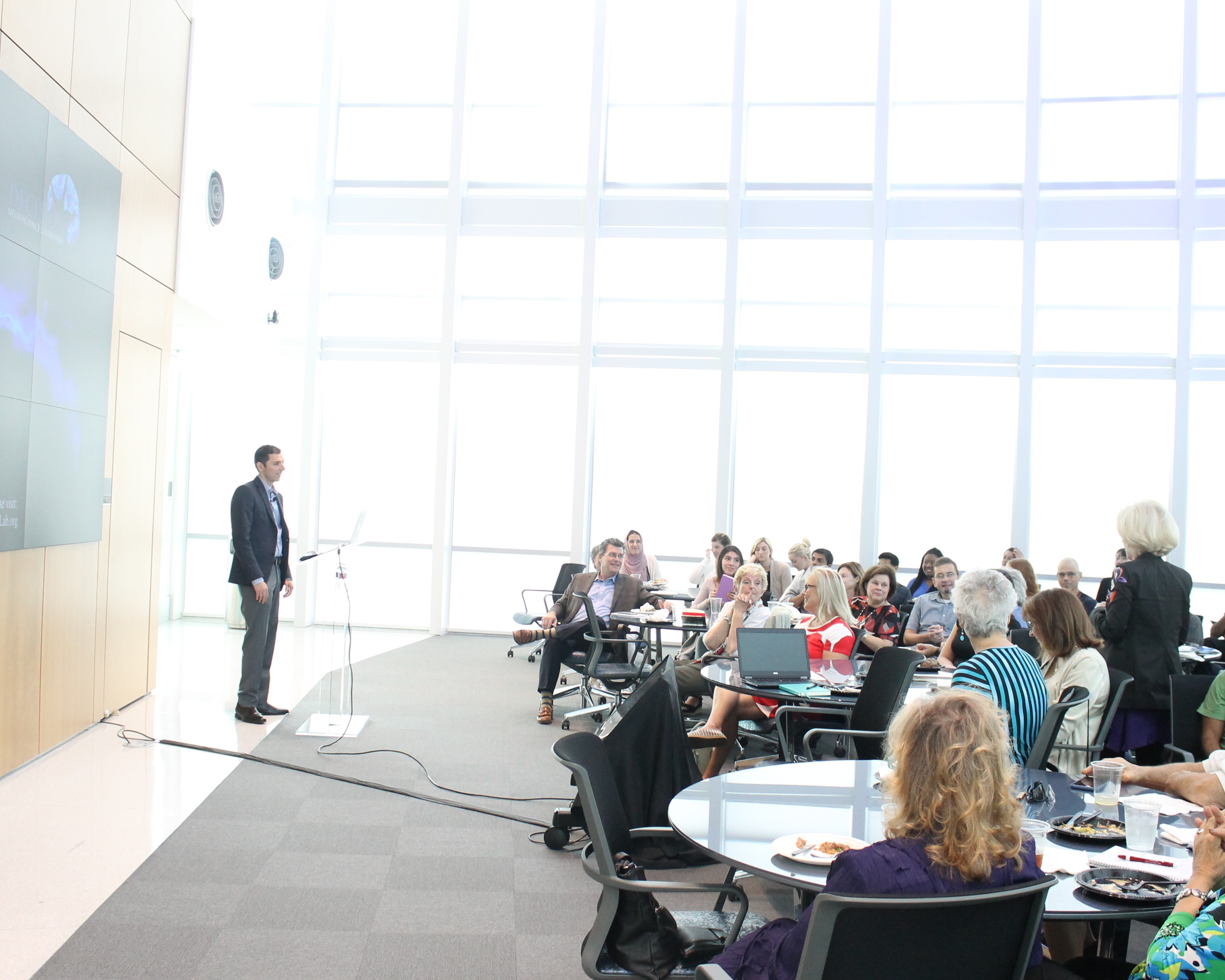
Dr. Andrew Eagle – Assistant Professor, Department of Neuroscience, UT Dallas
About the Talk
Drug-associated memories triggered by environmental and interoceptive cues are a major driver of relapse in addiction. Memory systems are critical for updating cue information that guides normal motivated behavior, such as reward seeking and avoidance of aversive outcomes, but these same systems also support maladaptive drug seeking in addiction. The entorhinal cortex (EC) plays a key role in associative memory and contains a subpopulation of neurons that project to the nucleus accumbens, a central brain region involved in reward processing. Recent evidence further indicates that EC neurons respond to rewards and reward-related cues. Work in his lab focuses on how the EC encodes and retrieves drug-cue memories that promote maladaptive behavior, including drug seeking. Dr. Eagle presents preliminary findings demonstrating that the EC is critical for drug–cue associative memories, with the broader goal of defining the neural mechanisms by which memory shapes motivation in addiction.
Frontiers of BrainHealth is a hybrid speaker series. By registering for the season, you get a link to virtual talks as well as recordings. If you are interested in attending any talks in person, you can confirm in-person attendance when we send a reminder email a few days prior to each talk.
For more information, visit our FAQs or email brainhealthevents@utdallas.edu.
Dr. Andrew Eagle earned his BA in psychology from Central Michigan University and completed his PhD in experimental psychology at Central Michigan University, where he studied animal models of cognitive symptoms in early-stage Parkinson’s disease. He completed his postdoctoral training in the laboratory of Dr. Shane Perrine at Wayne State University, investigating the comorbidity of PTSD and addiction using animal models. He subsequently continued his postdoctoral training (and later served as a research assistant professor) in the laboratory of Dr. A.J. Robison at Michigan State University, where his work focused on the transcription factor ΔFosB in the hippocampus and its role in stress- and addiction-related behaviors.
Dr. Eagle joined The University of Texas at Dallas in January 2024. His laboratory uses molecular, cellular, imaging and behavioral neuroscience assays to examine how memory systems shape motivation and how these processes become disrupted in neuropsychiatric disease.
Watch select recordings below.
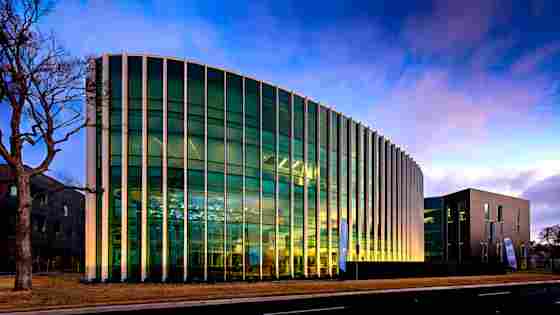
We are located at 2200 West Mockingbird Lane Dallas, TX 75235
The entrance to the surface parking lot is on Forest Park Road. The talks will be held in the Brain Performance Institute building, the second building when you enter through the gate.