Facebook pixel
Go to home page
Sherwood (Tracy) Brown, PhD, and Francesca Filbey, PhD, have previously studied whether poorer learning and memory performance in individuals with cannabis use disorder are due to cannabis-related sleep problems, pictured together in a sunlit workroom.

NIH Funds Collaborative Studies Exploring Novel Brain-Based Treatment for Alcohol and Cannabis Use Disorders

Center for BrainHealth

Center for BrainHealth investigator Francesca Filbey, PhD, and UTSW investigator Sherwood Brown, MD, PhD, have secured two awards from the National Institutes of Health (NIH) to fund two major collaborative studies investigating whether the naturally occurring neurosteroid pregnenolone can help treat substance use disorders and co-occurring depression.Together, the projects will evaluate a common therapeutic approach across two of the nation's most prevalent substance use disorders: alcohol use disorder and cannabis use disorder. Both studies are built on growing evidence that pregnenolone may influence brain pathways involved in addiction while also improving symptoms of depression and anxiety.The first study, conducted as a collaboration of Center for BrainHealth at UT Dallas with UT Southwestern Medical Center and Duke University, is an R01 mechanism that will examine pregnenolone as a treatment for individuals with both alcohol use disorder and major depressive disorder. The randomized, double-blind, placebo-controlled clinical trial will enroll 100 participants and evaluate whether pregnenolone can reduce alcohol consumption, alcohol craving and depressive symptoms while also providing new insights into the brain mechanisms underlying recovery.The second project is a multi-institutional NIH UG3/UH3 award with a potential budget exceeding $12 million that will investigate pregnenolone as a treatment for cannabis use disorder and co-occurring major depressive disorder. The study begins with proof-of-concept, safety and feasibility research before advancing to a multisite clinical trial involving UT Dallas, UT Southwestern Medical Center, UCLA, the University of Colorado Denver and the Medical University of South Carolina.

“”

"These awards allow us to test whether a single brain-based approach can address some of the most challenging and frequently overlapping conditions in behavioral health," said co-principal investigator Francesca Filbey, PhD, deputy director of Center for BrainHealth and professor and Bert Moore Chair in the School of Behavioral and Brain Sciences at The University of Texas at Dallas. "Substance use disorders and depression often occur together, yet treatment options that effectively target both remain limited. Our goal is to determine whether pregnenolone can help reduce substance use while also improving mental health outcomes."
Pregnenolone is a naturally occurring neurosteroid produced by the body and brain. Previous research conducted by Filbey and collaborators suggests the compound may affect neural systems involved in reward, craving and mood regulation. In earlier studies, pregnenolone was associated with reductions in alcohol consumption and depressive symptoms, while separate investigations found evidence that it may lessen cannabis-related effects in the brain and improve mood-related outcomes.The cannabis study addresses a growing public health challenge. Cannabis use disorder is increasing in prevalence, frequently occurs alongside depression and currently has no FDA-approved pharmacological treatment. Researchers will investigate whether pregnenolone can reduce cannabis use and craving while also improving depression, anxiety, cognition and other related symptoms.Likewise, the alcohol study focuses on individuals with both alcohol use disorder and major depressive disorder, a population that often experiences poorer outcomes than those facing either condition alone. Researchers will assess changes in alcohol use, craving, mood symptoms and brain connectivity patterns associated with treatment.

“”

“Our research team is grateful to have received NIH funding for these two major studies, which speaks to the immense societal impact our findings may have,” added Filbey.
The projects bring together experts in addiction neuroscience, psychiatry, neuroimaging, clinical trials and neurosteroid research from leading academic institutions across the country. By investigating the same biological pathway across different substance use disorders, the studies may help advance a new generation of treatments designed to address both addiction and mental health symptoms simultaneously.CONTACT Stephanie Hoefken stephanie.hoefken@utdallas.edu

About Center for BrainHealth

Center for BrainHealth®, part of The University of Texas at Dallas, is a nonprofit translational research institute committed to enhancing, preserving, and restoring brain health across the lifespan. Major research areas include the use of functional and structural neuroimaging techniques to better understand the neurobiology supporting the continual growth of cognition, well-being and social connections in health and disease. This leading-edge scientific exploration is translated quickly into practical innovations to improve how people think, work and live, empowering people of all ages to thrive and unlock their brain potential. Translational innovations leverage 1) the BrainHealth Index, a proprietary measure that uniquely charts one's upward (or downward) brain health trajectory whatever their starting level; and 2) Strategic Memory Advanced Reasoning Tactics (SMART™) brain health training, a strategy-based toolkit developed and tested by BrainHealth researchers and other teams over three decades. The center's landmark longitudinal study, The BrainHealth Project, launched in 2020 with the goal of identifying actionable strategies for optimizing brain health throughout life, uncovering the dynamic relationship between lifestyle factors, biological markers, brain training and cognitive performance. It is co-led by Dr. Sandi Chapman, Dr. Mark D'Esposito, Dr. Geoff Ling, Dr. Ian Robertson, Dr. Vince Calhoun and Tom Leppert, with Georgeann and Adm. William McRaven (ret.) serving as national spokespersons.

Share this article


Francesca Filbey in dark blue blouse with lights, portrait. Professor and Director of Cognitive Neuroscience Research of Addictive Disorders; Bert Moore Chair; Associate Provost, UT Dallas

Francesca Filbey, PhD

Deputy Director Bert Moore Endowed Chair Professor, School of Behavioral and Brain Sciences Director, Neuroimaging of Reward Dynamics (NiRD) Lab


Related Information

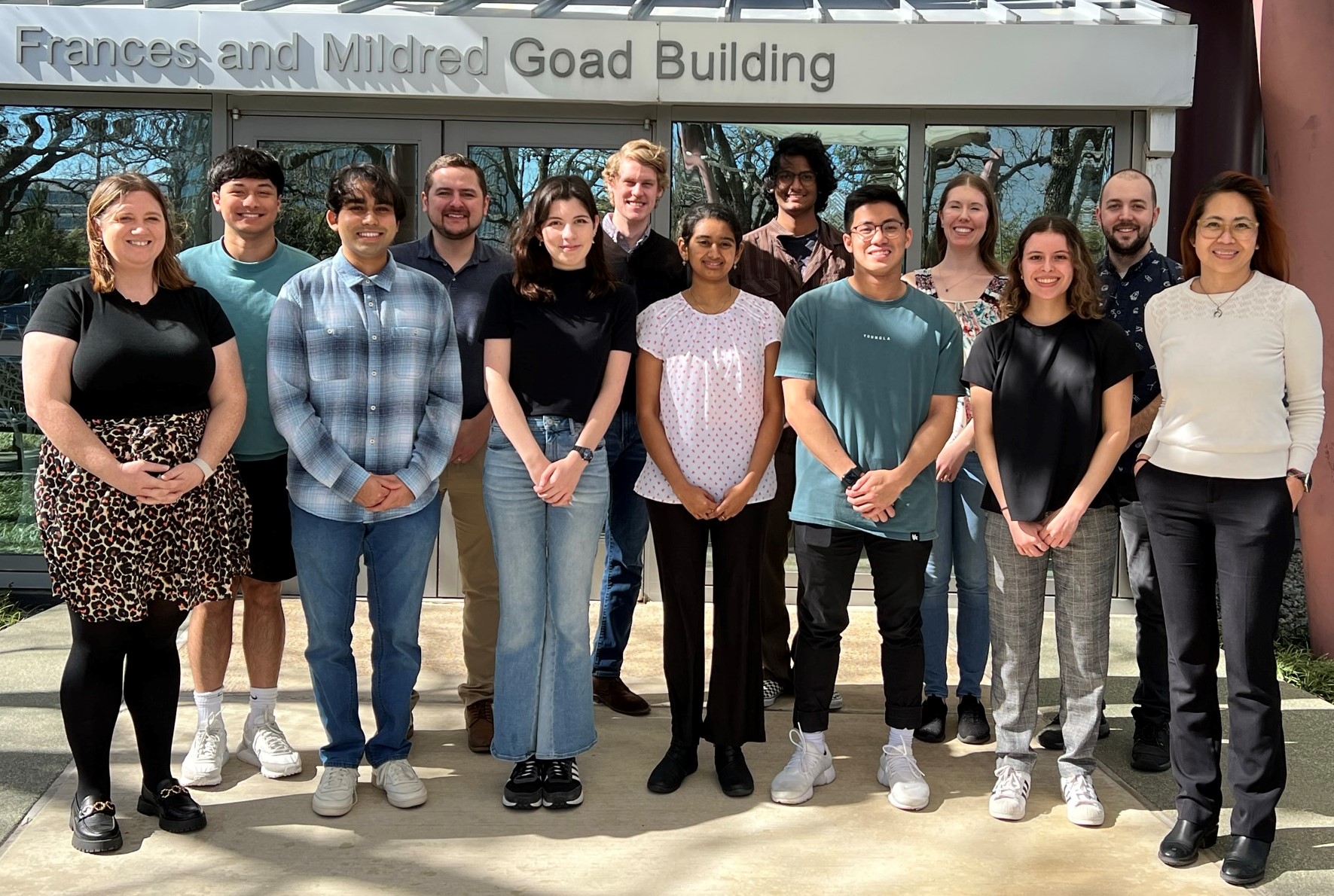
Francesca Filbey, PhD, and her lab outside Center for BrainHealth.

New BrainHealth Research Reveals Tradeoffs on Sleep with Cannabis Use for Chronic Pain

Although cannabis is believed to have an interconnected role with both pain and sleep, its effects on chronic pain and sleep architecture have largely been studied in isolation, but new BrainHealth research is filling this gap, with early findings suggesting that cannabis use for chronic pain may increase restorative sleep at the cost of REM sleep.

A young woman sleeps restfully in a gently lit bedroom.

Interactions Between Cannabis Use and Chronic Pain on Sleep Architecture: Findings from In-Home EEG Recordings

Although pain and sleep disturbances drive medicinal cannabis use, effects of cannabis and chronic pain on sleep architecture have been studied mainly in isolation, until now. New BrainHealth research aims to integrate understanding, guide treatments and minimize risks by determining interactive effects of cannabis use on chronic pain and sleep.

Dr. Francesca Filbey, pictured smiling and sitting at a desk. She is the director of Cognitive Neuroscience Research in Addictive Disorders at the Center for BrainHealth and an associate professor in the School of Behavioral and Brain Sciences at UTD.

NIH Awards Center for BrainHealth's Dr. Francesca Filbey $2.5M to Investigate Cannabis Use Disorders

The National Institutes of Health (NIH) recently awarded the Center for BrainHealth at The University of Texas at Dallas $2.5 million to examine cannabis use disorders.

Headshot of Francesca Filbey, PhD, against a dark background.

Center for BrainHealth Names Francesca Filbey, PhD, Deputy Director

In this critical leadership role, Filbey will help shape and advance the center's research priorities while fostering collaboration across disciplines and institutions, focusing on advancing a forward-looking research strategy to strengthen faculty and staff engagement, expand strategic partnerships and coordinate far-reaching initiatives.