Facebook pixel
Go to home page
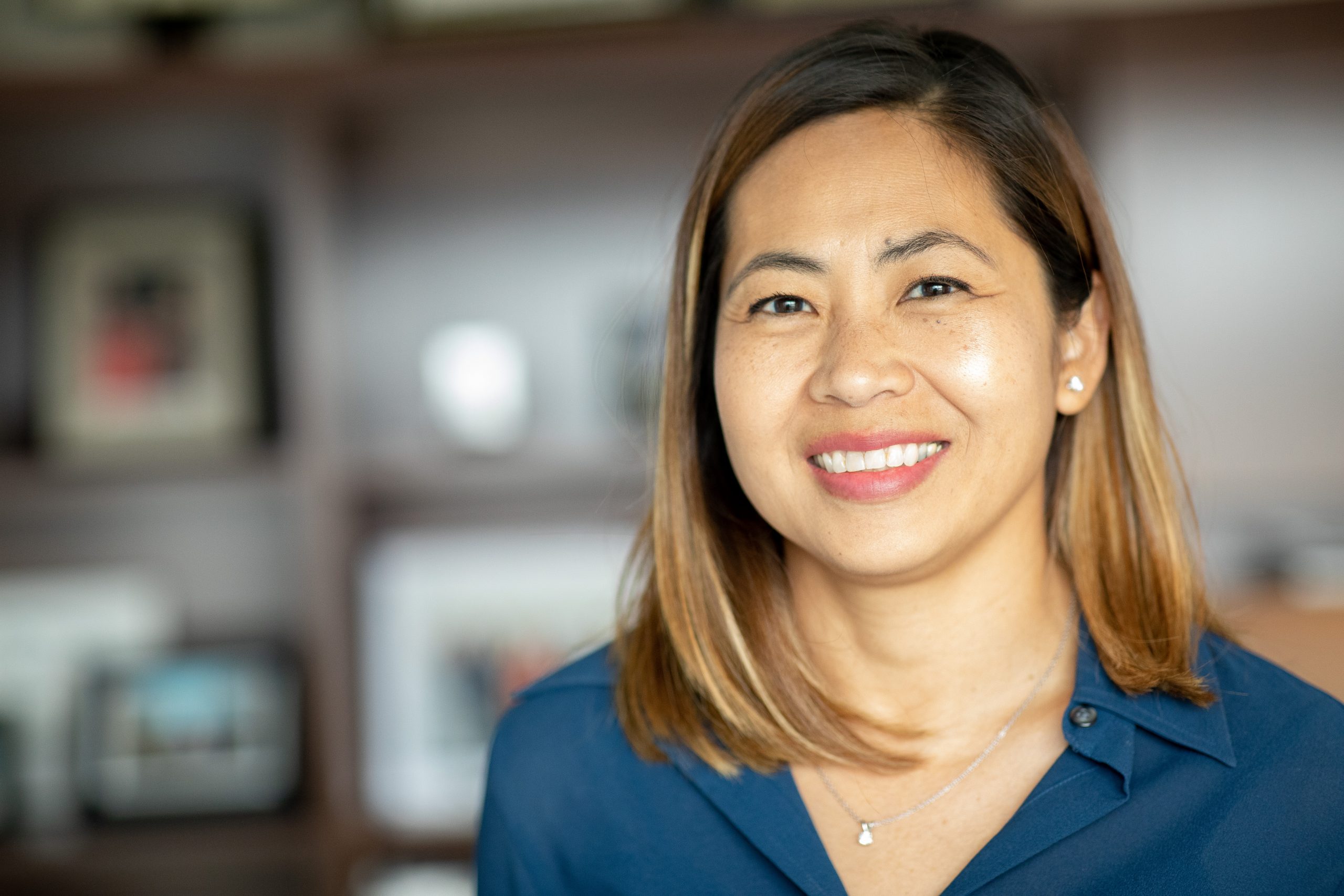
Headshot of Francesca Filbey, PhD, against a dark background.

Center for BrainHealth Names Francesca Filbey, PhD, Deputy Director of Research

Center for BrainHealth

Center for BrainHealth at The University of Texas at Dallas has appointed Francesca Filbey, PhD, as its new Deputy Director of Research. In this critical leadership role, she will help shape and advance the center's research priorities while fostering collaboration across disciplines and institutions. Her focus will include advancing an integrated, forward-looking research strategy; strengthening faculty and staff engagement; expanding strategic partnerships; coordinating major interdisciplinary and translational initiatives; and representing the Center in university, scientific, philanthropic and broader external settings.

“”

“Center for BrainHealth has built a well-deserved reputation as a science pioneer, and I am proud to help accelerate our scientific excellence, strengthen our collaborations, and expand our impact as we advance the future of brain health for all,” said Filbey.
A world-renowned expert in the brain mechanisms of addictive disorders, she integrates cognitive neuroscience, neuroimaging, genetics, computational modeling, psychology and pharmacology to better understand the neurobiological and cognitive mechanisms that drive behavior. She authored The Neuroscience of Addiction – a landmark textbook in the field that is soon to be released in its second edition.As Director of the Neuroimaging of Reward Dynamics (NiRD) Lab and the Bert Moore Endowed Chair and Professor at the School of Behavioral and Brain Sciences, Filbey has built an internationally recognized research program. She has been continuously funded by the National Institutes of Health and other agencies for more than a decade (currently, she is PI on 3 active NIH-funded studies), published more than 150 peer-reviewed articles, served in key editorial and scientific review roles – and is an elected Fellow of some of the field's most prestigious organizations, the American College of Neuropsychopharmacology and the College on Problems of Drug Dependence. Her work has significantly advanced understanding of the neural mechanisms underlying reward, motivation and substance use disorders, helping identify targets for prevention and intervention. The societal impact of this research is substantial, as addictive disorders continue to pose significant challenges to public health, morbidity and mortality worldwide.Beyond her remarkable scientific accomplishments, Filbey brings extensive institutional knowledge, having served 8 years as UTD’s Senior Associate Provost for Faculty Success and Area Head of Cognition and Neuroscience. In her new BrainHealth role, she will continue to support the university’s emphasis on academic and research excellence as part of its Roadmap 2030.

“”

“Francesca brings significant executive leadership experience and a deep commitment to our mission,” said Sandra Bond Chapman, PhD, founder and chief director of Center for BrainHealth, and Dee Wyly Distinguished Professor in the School of Behavioral and Brain Sciences at UT Dallas. “Her long-standing contributions to Center for BrainHealth and her dedication to our research teams, public awareness, science and future growth make her exceptionally well suited for this new role.”
She will be a featured speaker in the center’s popular BrainHealth Presents speaker series, joining a panel of experts on November 19 for Mission Restored: Novel Treatments for Veterans.CONTACT Stephanie Hoefken stephanie.hoefken@utdallas.edu

About Center for BrainHealth

Center for BrainHealth®, part of The University of Texas at Dallas, is a nonprofit translational research institute committed to enhancing, preserving, and restoring brain health across the lifespan. Major research areas include the use of functional and structural neuroimaging techniques to better understand the neurobiology supporting the continual growth of cognition, well-being and social connections in health and disease. This leading-edge scientific exploration is translated quickly into practical innovations to improve how people think, work and live, empowering people of all ages to thrive and unlock their brain potential. Translational innovations leverage 1) the BrainHealth Index, a proprietary measure that uniquely charts one's upward (or downward) brain health trajectory whatever their starting level; and 2) Strategic Memory Advanced Reasoning Tactics (SMART™) brain health training, a strategy-based toolkit developed and tested by BrainHealth researchers and other teams over three decades. The center's landmark longitudinal study, The BrainHealth Project, launched in 2020 with the goal of identifying actionable strategies for optimizing brain health throughout life, uncovering the dynamic relationship between lifestyle factors, biological markers, brain training and cognitive performance. It is co-led by Dr. Sandi Chapman, Dr. Mark D'Esposito, Dr. Geoff Ling, Dr. Ian Robertson, Dr. Vince Calhoun and Tom Leppert, with Georgeann and Adm. William McRaven (ret.) serving as national spokespersons.

Share this article


Francesca Filbey in dark blue blouse with lights, portrait. Professor and Director of Cognitive Neuroscience Research of Addictive Disorders; Bert Moore Chair; Associate Provost, UT Dallas

Francesca Filbey, PhD

Deputy Director of Research Bert Moore Endowed Chair Professor, School of Behavioral and Brain Sciences Director, Neuroimaging of Reward Dynamics (NiRD) Lab

Sandi Chapman, Founder and Chief Director, Center for BrainHealth, Co-Leader, The BrainHealth Project, Dee Wyly Distinguished Professor

Sandra Bond Chapman, PhD

Chief Director Dee Wyly Distinguished Professor, School of Behavioral and Brain Sciences Co-Leader, The BrainHealth Project


Related Information

Dr. Francesca Filbey in a blue blouse with the background blurred

NiRD Lab

Led by Dr. Francesca Filbey, PhD, The Neuroimaging of Reward Dynamics (NiRD) Lab aims to characterize neural mechanisms related to dopaminergic-reward system dysfunction, such as substance use. They take an interdisciplinary approach and utilize a variety of techniques that include clinical interviews, physiological measures, cognitive testing, neuroimaging (EEG, MRI), neuromodulation (HDtdCS, taVNS) and genetic analysis.
A college student sleeps soundly in fetal position as morning light comes in the window.

The Role of Sleep in the Link Between Cannabis Use and Memory Function

Despite heightened interest in medicinal cannabis, the impact on memory and sleep remains unknown and under-researched. A groundbreaking new study led by Center for BrainHealth's Francesca Filbey, PhD, focuses on the link between sleep quality, cannabis use and memory.

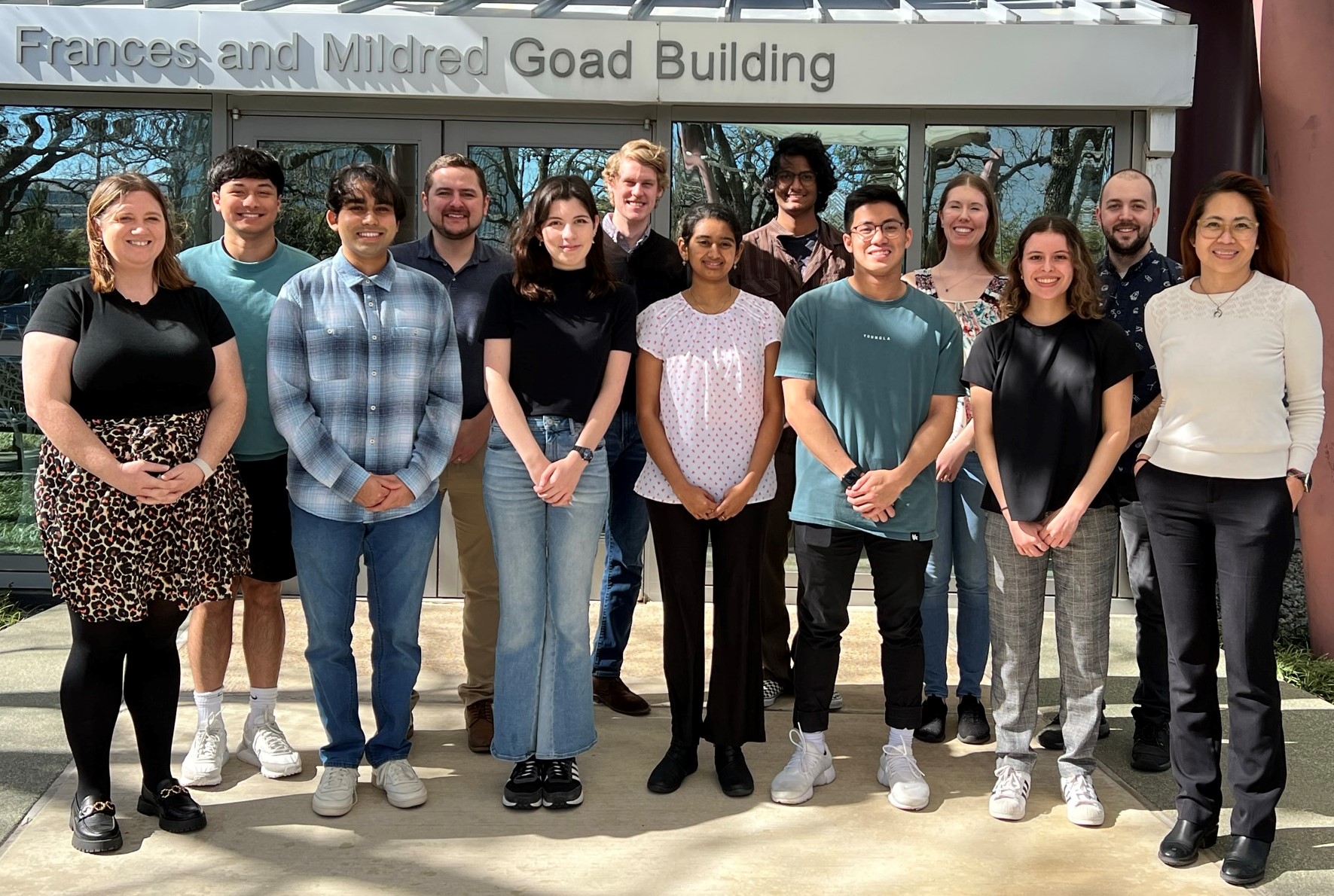
Francesca Filbey, PhD, and her lab outside Center for BrainHealth.

Center for BrainHealth Investigates the Relationship Between Cannabis Use, Sleep and Memory

Growing legal use of cannabis has piqued interest in potential side effects, particularly on memory and sleep, effects that until now have only been studied separately. New research led by BrainHealth's Francesca Filbey, PhD, in collaboration with University of Amsterdam, aims to fill the gap.