Read full research article

Distinct Brain and Behavioral Benefits From Cognitive vs. Physical Training: A Randomized Trial in Aging Adults
Frontiers in Human Neuroscience
Sandra B. Chapman, Sina Aslan, Jeffrey S. Spence, Molly W. Keebler, Laura F. DeFina, Nyaz Didehbani, Alison M. Perez, Hanzhang Lu and Mark D'Esposito
Share this article

Sandra Bond Chapman, PhD
Chief Director Dee Wyly Distinguished Professor, School of Behavioral and Brain Sciences Co-Leader, The BrainHealth Project

Jeffrey S. Spence, PhD
Director of Biostatistics

Mark D’Esposito, MD
Co-Leader, The BrainHealth Project
Related Information

Published SMART Evidence
A Progression in Breadth and Depth
Multiple trials funded by the National Institutes of Health (NIH), Department of Defense (DOD), and private philanthropy, have demonstrated that SMART can promote gains in core cognitive areas and strengthen several of the brain’s key networks – functions that support planning, reasoning, decision making, judgment and emotional regulation across populations.

Aging and Brain Health and How to Preserve It: What Experts Know So Far
Preserving brain health is integral to longevity, especially in an ever-growing aging population.

BOLD Hemodynamic Response Function Changes Significantly with Healthy Aging
Healthy older and younger individuals demonstrate significant differences in the brain’s blood-oxygen response, as shown with functional magnetic resonance imaging (fMRI).
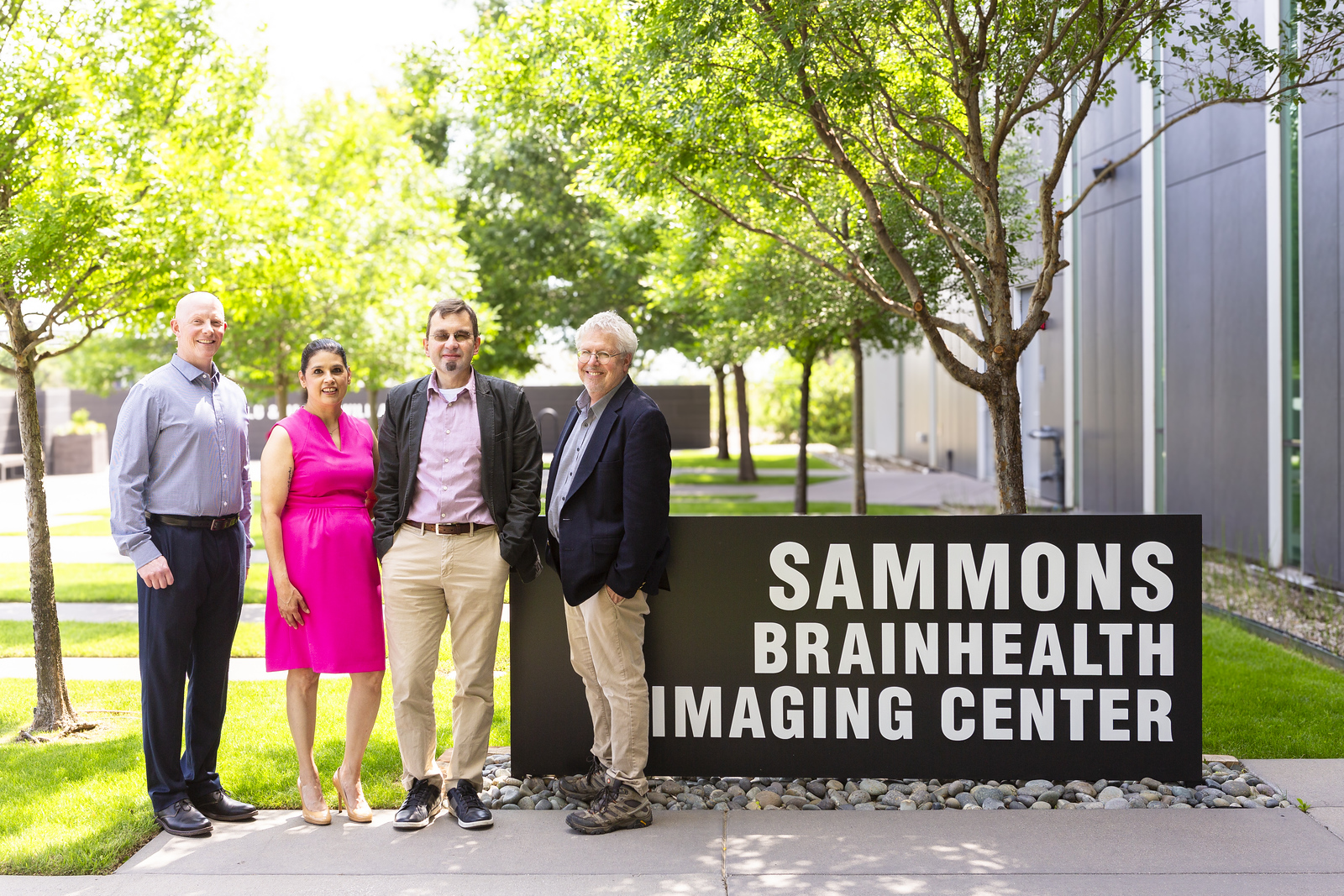
Sammons BrainHealth Imaging Center
Located at Center for BrainHealth, the Sammons BrainHealth Imaging Center is a one-of-a-kind facility completely focused on human brain imaging to measure changes in brain health and function.
The design and field strength are optimized for functional MRI (fMRI), providing crisp anatomical detail and a signal-to-noise ratio that reduces distortion to facilitate the acquisition and interpretation of data.